
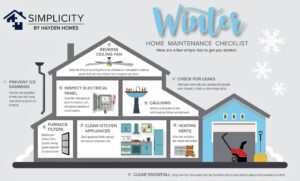
Winter in southern New Mexico is generally mild, but short cold snaps, overnight freezes, and winter rains can still cause real damage to homes—especially when systems aren’t prepared. As a home inspector working in and around Las Cruces, I routinely see preventable winter-related issues that homeowners didn’t realize were a concern in a desert climate.
This checklist focuses on what actually matters for homes in southern New Mexico, not cold-weather advice meant for snowy northern states.
Exterior Maintenance
Protect Hose Bibs and Exterior Plumbing
Even brief overnight freezes can crack exterior hose bibs and exposed pipes.
-
Disconnect garden hoses before the first freeze
-
Install insulated hose bib covers
-
Shut off and drain irrigation lines if applicable
Cracked plumbing often isn’t discovered until spring, when water is turned back on and leaks appear inside walls.
Check Roof Drainage and Flat Roof Conditions
Winter rain is often when roof issues first become visible.
-
Remove debris from roof drains, scuppers, and downspouts
-
Look for signs of ponding water on flat or low-slope roofs
-
Check parapet walls and roof transitions for cracking
Flat roofs common in this region rely heavily on proper drainage. Blocked drains can quickly lead to interior water intrusion.
Inspect Stucco, Siding, and Exterior Sealants
Cooler temperatures and moisture can expose weak points in the building envelope.
-
Look for cracks in stucco, especially around windows and doors
-
Check caulking at penetrations and trim
-
Monitor areas where water may collect near the foundation
Small cracks can allow moisture intrusion that worsens over time.
Mechanical Systems
Service the Heating System
Heating systems often sit unused for long periods, then get turned on during the first cold snap.
-
Replace furnace or heat-pump filters
-
Have older systems serviced before peak winter use
-
Make sure supply and return vents are unobstructed
Poor airflow and dirty filters are common winter findings during inspections.
Evaporative Cooler Winterization
Swamp coolers are a major source of winter leaks when not properly shut down.
-
Shut off and disconnect the water supply
-
Drain the pan and distribution lines
-
Consider breathable covers rather than airtight plastic
Improper winterization can lead to ceiling staining, rusted components, and interior water damage.
Plumbing and Interior Areas
Watch for Signs of Plumbing Leaks
Temperature changes can stress aging plumbing materials.
-
Check under sinks and around water heaters
-
Look for moisture at exterior walls with plumbing
-
Monitor water pressure changes
Leaks are often subtle at first and easier to address early.
Test GFCI and AFCI Devices
Winter moisture and temperature changes can affect electrical safety devices.
-
Test GFCI outlets at kitchens, baths, garages, and exterior locations
-
Replace devices that won’t reset or trip inconsistently
Faulty GFCIs are a frequent winter inspection finding and can indicate moisture exposure.
Check Windows and Doors
Winter is a good time to identify air leakage and seal failures.
-
Look for drafts around frames
-
Check for condensation between windowpanes
-
Verify weatherstripping is intact
Energy loss and comfort issues are often most noticeable during colder months.
Fire and Safety Considerations
Use Space Heaters Carefully
Space heaters are a leading cause of winter fires.
-
Keep heaters at least three feet from combustibles
-
Avoid extension cords
-
Never leave heaters unattended
If additional heat is needed, it may indicate an underlying HVAC issue.
Test Smoke and Carbon Monoxide Alarms
Heaters, fireplaces, and gas appliances increase CO risk.
-
Test alarms monthly
-
Replace batteries as needed
-
Ensure CO alarms are installed near sleeping areas
This is one of the simplest but most important winter safety steps.
Why Winter Is a Smart Time for Maintenance—and Inspections
Many issues don’t reveal themselves until cooler temperatures and winter moisture arrive. Roof leaks, plumbing failures, heating problems, and electrical concerns are often easier to identify in winter than during hotter months.
If you’re unsure about any item on this checklist—or if your home hasn’t been evaluated recently—a professional home inspection can help identify concerns early, before they turn into more costly repairs.